Smooth transportation can make every journey more comfortable, flexible, and enjoyable. Simple rental arrangements allow travelers to select suitable vehicles, organize convenient schedules, and enjoy greater freedom while moving between different destinations.
Convenient Vehicle Selection
A straightforward rental experience begins with access to vehicle choices that suit different travel needs. Travelers can consider comfort, passenger capacity, luggage space, and overall convenience before making a suitable selection.
- Different vehicle sizes support varied travel requirements.
- Comfortable interiors create a pleasant journey.
- Flexible choices make transportation planning easier.
- Spacious options provide useful luggage capacity.
- Suitable vehicles encourage relaxed travel experiences.
Flexible Rental Arrangements
Flexible arrangements give travelers more control over their transportation plans. Clear rental periods and convenient booking options help create a smooth experience while allowing travelers to organize their journeys according to their preferred schedules.
- Flexible rental durations support different travel plans.
- Convenient scheduling improves overall comfort.
- Clear arrangements make planning more straightforward.
- Adjustable options can support changing travel needs.
- Simple preparation creates greater confidence.
Comfortable Travel From Start To Finish
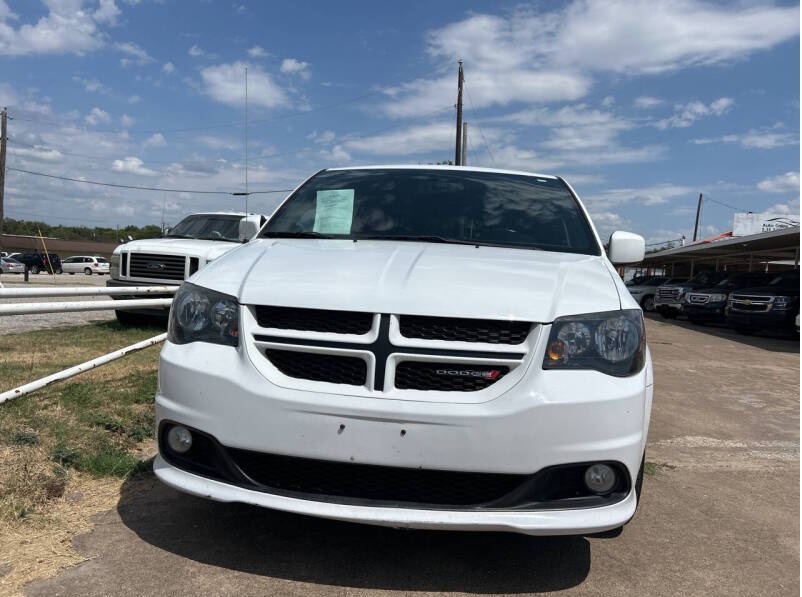
A well-organized rental experience can contribute to a more enjoyable journey from departure to arrival. Reliable transportation allows travelers to focus on their plans while experiencing greater comfort throughout their travel time.
- Comfortable seating supports relaxed journeys.
- Clean interiors create a welcoming atmosphere.
- Smooth transportation encourages enjoyable travel.
- Practical features improve everyday convenience.
- Well-maintained vehicles support positive experiences.
Simple Booking And Preparation
Easy preparation can reduce unnecessary effort before a journey begins. When important rental details are clearly arranged, travelers can feel more prepared and enjoy a convenient transportation experience without unnecessary complications.
- Clear rental information supports confident decisions.
- Simple requirements make preparation easier.
- Organized details save valuable planning time.
- Convenient arrangements encourage stress-free travel.
- Transparent terms help travelers understand their rental choices.
Greater Freedom During Travel
Having a suitable rental vehicle provides travelers with useful freedom throughout their journey. Instead of depending on fixed transportation schedules, travelers can enjoy greater flexibility when planning their daily activities and movement.
- Personal schedules can be managed more comfortably.
- Flexible transportation supports spontaneous plans.
- Convenient vehicle access improves mobility.
- Independent travel encourages greater freedom.
- Easy movement makes journeys more enjoyable.
Reliable Support And Positive Experiences
Helpful service can make rental arrangements even more comfortable. Travelers benefit from clear communication, practical assistance, and dependable arrangements that contribute to a pleasant experience before, during, and after their journey.
- Friendly assistance improves overall satisfaction.
- Clear communication builds confidence.
- Responsive support makes arrangements easier.
- Helpful guidance encourages smooth planning.
- Dependable service creates lasting positive impressions.
Enjoyable Journeys With Practical Transportation
Simple rental solutions can bring together convenience, flexibility, comfort, and freedom in one travel experience. Whether transportation is needed for a short outing or an extended journey, an organized rental arrangement can make movement feel effortless. Options such as รถเช่าดอนเมือง can also reflect the value of convenient vehicle access when planning comfortable travel. With suitable choices, clear arrangements, and dependable support, travelers can enjoy transportation that complements their plans and makes every journey more pleasant.